
TLDR
Unlike routine dental benefits that reset annually, orthodontic insurance typically uses a lifetime maximum that does not expire on December 31, 2026. However, most employer-sponsored FSA funds expire at year-end, making a December orthodontic consultation ideal for locking in pre-tax dollars and current plan terms before January 1, 2027.
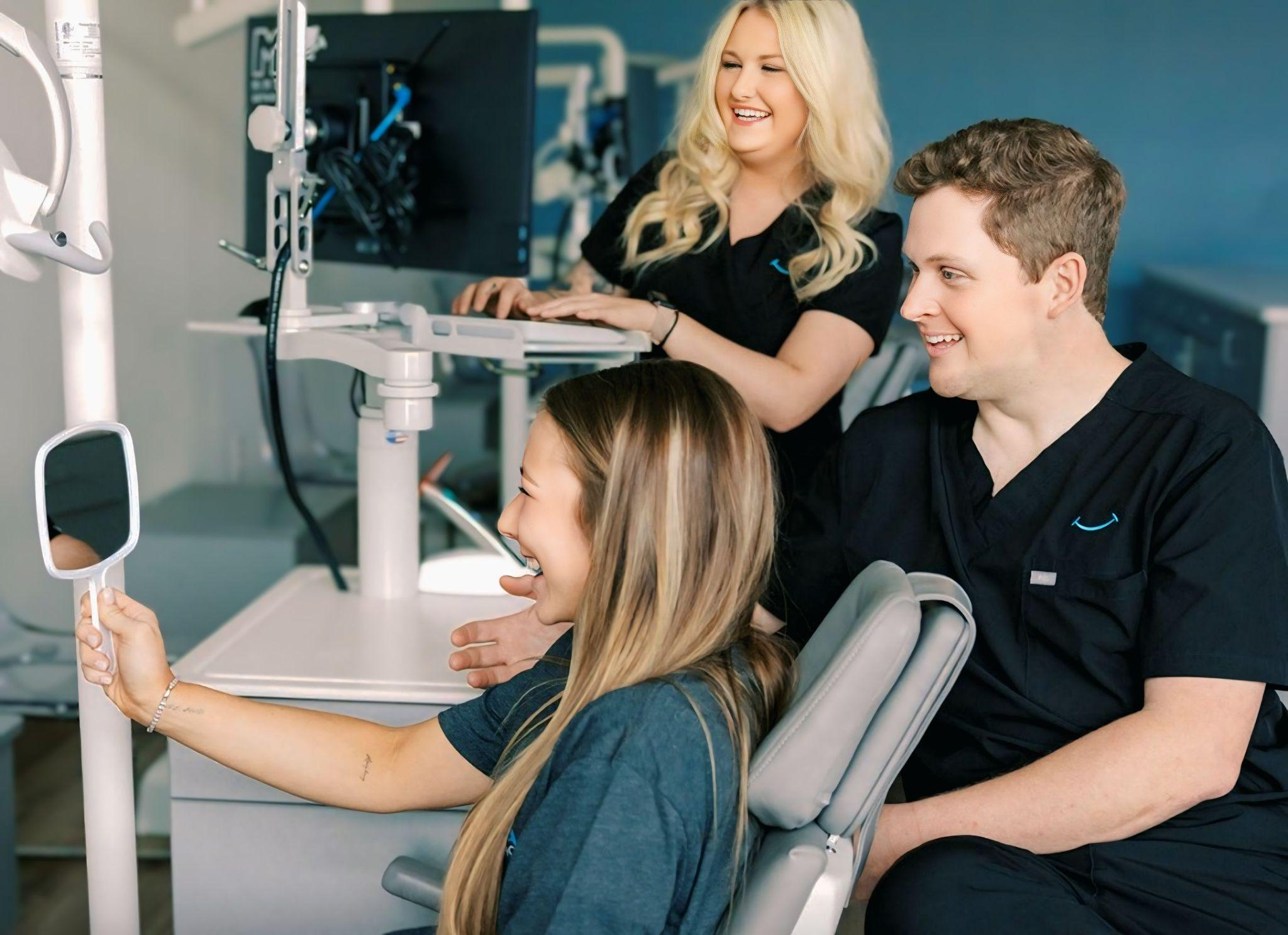
If you're considering braces or Invisalign for yourself or your child, the end of the year is a good time to review your dental insurance benefits. Understanding what your plan covers, when benefits reset, and how orthodontic coverage works can help you plan your next steps with confidence.
Many patients assume all dental coverage operates under the same rules, yet orthodontic benefits insurance, Flexible Spending Accounts (FSAs), and Health Savings Accounts (HSAs) follow distinct timelines.
At Mint Hill Orthodontics, we provide effective orthodontic treatment in Mint Hill, NC, and ensure you maximize your ortho benefits with clear financial guidance.
Our orthodontist in Mint Hill, Dr. Little, will walk you through your insurance coverage, FSA money, HSA money, and flexible payment options.
Do Dental Benefits Really Expire on December 31, 2026?
Many dental insurance plans operate on a calendar-year basis, meaning their annual maximums reset on January 1. However, some plans follow a different benefit year. Check your policy to confirm when your benefits renew and whether unused amounts carry over.
How Is Orthodontic Coverage Different From the Rest of Your Dental Plan?
Unlike routine cleanings, fillings, or crowns that draw from an annual limit that resets every 12 months, orthodontic treatment is covered under a lifetime maximum.
Unlike routine dental coverage, orthodontic benefits often have a separate lifetime maximum. Depending on your insurance policy, the carrier may distribute its contribution in installments throughout treatment rather than paying the entire benefit upfront. Check with your insurer to understand its payment schedule and any eligibility requirements.
Can You Use an FSA or HSA for Braces or Invisalign?
Yes, both Flexible Spending Accounts (FSAs) and Health Savings Accounts (HSAs) are eligible ways to pay for braces, Invisalign clear aligners, retainers, and diagnostic imaging.
Using eligible FSA or HSA funds can help you manage qualifying orthodontic expenses with pre-tax money. You may also be able to coordinate these funds with your dental insurance benefits. Because reimbursement rules vary, check with your account administrator before scheduling treatment or submitting a claim.
What Happens to Unused FSA Money After the Year Ends?
Unlike an HSA, where balances roll over from year to year and stay with you even if you change jobs, most employer-sponsored FSAs operate under an annual "use-it-or-lose-it" rule.
Unless your employer permits an IRS-capped carryover amount, any remaining FSA money left unspent after the deadline is forfeited to your plan administrator.
Is It Realistic to Start Treatment Before the Year Ends?
Starting your orthodontic treatment before December 31 is realistic and often much faster than you expect.
At Mint Hill Orthodontics, your initial consultation includes an evaluation with our orthodontist and a breakdown of your insurance benefits and payment options, meaning you can often put your expiring ortho benefits in Mint Hill or FSA funds to work the very same day.
How Can Mint Hill Orthodontics Help You Use Your Benefits in Mint Hill, NC?
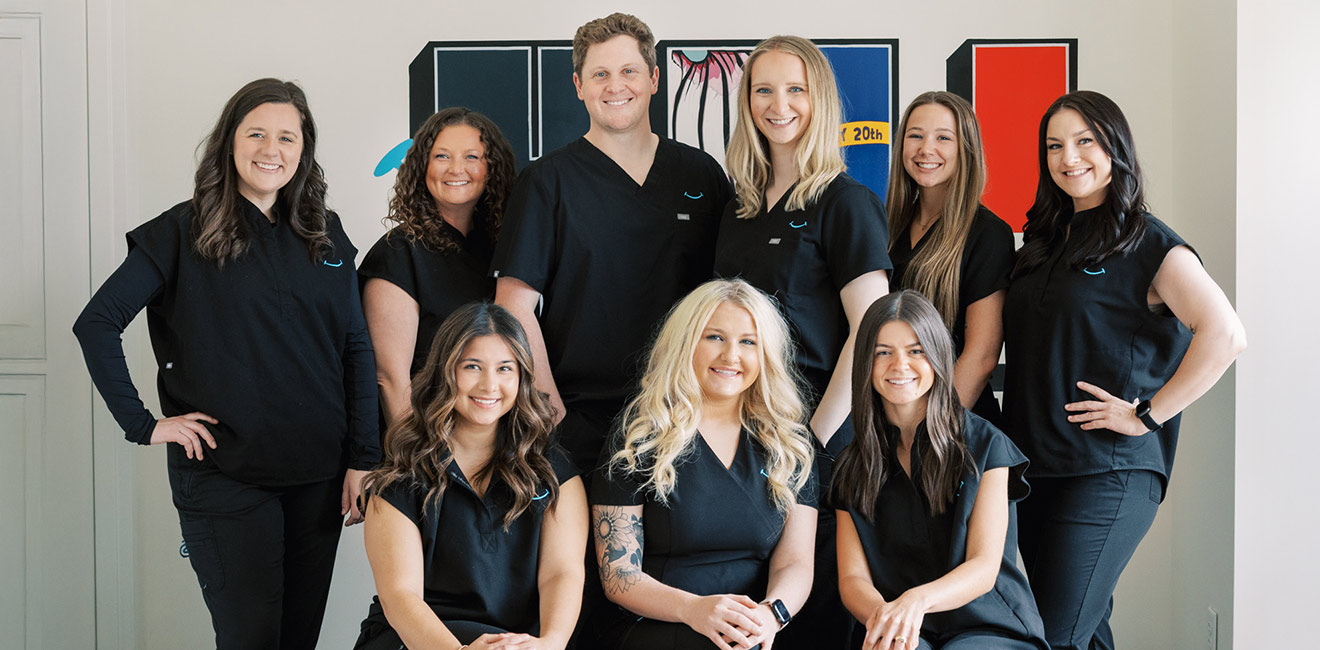
Understanding your orthodontic benefits shouldn't feel overwhelming. At Mint Hill Orthodontics, Dr. Little and our team take the time to answer your questions, review your insurance coverage, and help you understand your treatment options.
Whether you're exploring braces or Invisalign for yourself or your child, we're here to make the process clear, comfortable, and personalized. Contact us today to schedule a consultation!
Key Takeaways
- Orthodontic insurance relies on a one-time lifetime maximum disbursed in installments rather than a yearly limit, though employer policy terms can still shift on January 1, 2027.
- Unlike HSAs, which roll over, remaining FSA balances expire on December 31, 2026, unless applied toward braces or Invisalign.
- You can combine FSA or HSA funds with dental insurance coverage and flexible financing to reduce out-of-pocket treatment costs.
- To maximize your orthodontic benefits in Mint Hill, NC, Dr. Little and the team at Mint Hill Orthodontics provide clear coverage reviews and flexible payment plans.
Sources
- https://webmd.com/oral-health/features/dental-insurance
- https://www.forbes.com/health/dental/does-dental-insurance-cover-braces/
- https://aaoinfo.org/whats-trending/can-i-use-my-hsa-or-fsa-for-orthodontic-treatment/
- https://minthillortho.com/
- https://minthillortho.com/our-practice/meet-our-doctors/dr-jared-little
- https://minthillortho.com/contact-us/
- https://minthillortho.com/lp/free-consult/
- https://minthillortho.com/patient-resources/#financial-info
- https://minthillortho.com/our-practice/